

IEEE UPWARDS International Semiconductor Leadership Certificate
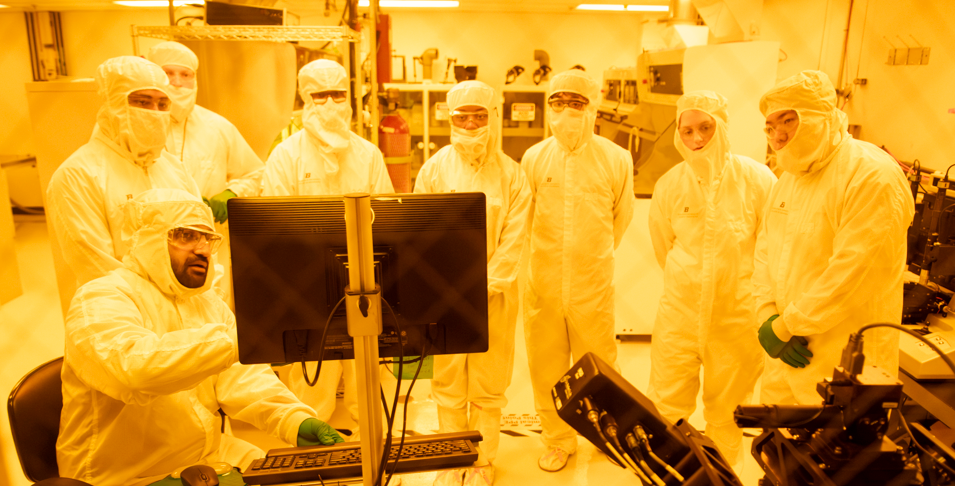
The following information outlines the structure, expectations, and outcomes of the IEEE Upwards International Semiconductor Leadership Certification. The program draws inspiration from successful models which emphasize introductory, supervised laboratory experience for new learners, while adapting the framework to UPWARDS’ broader goals of international collaboration, leadership development, and flexible implementation across diverse institutional environments.
The certification is designed for undergraduate and graduate students across UPWARDS institutions in the U.S. and Japan and accommodates programs from one-week intensive programs to full summer research placements. The experience level, hours, and specific activities may vary by location, but all participants must meet the shared competency-based requirements described below.
UPWARDS International Semiconductor Leadership Certification
The IEEE Upwards International Semiconductor Leadership certificate recognizes students who have demonstrated:
- Foundational understanding of semiconductor engineering and industry structures.
- An ability to engage across cultures in scientific and technical settings.
- Awareness of equitable access considerations and broad participation in global STEM environments.
- Experience conducting supervised semiconductor related laboratory activities.
- Initial exposure to research supported inquiry and problem-solving practices.
This certificate does not certify mastery or independent technical capability. This certification focuses on supervised experience rather than expertise and affirms exposure, engagement, leadership potential, and workforce-aligned collaboration with industry partners.
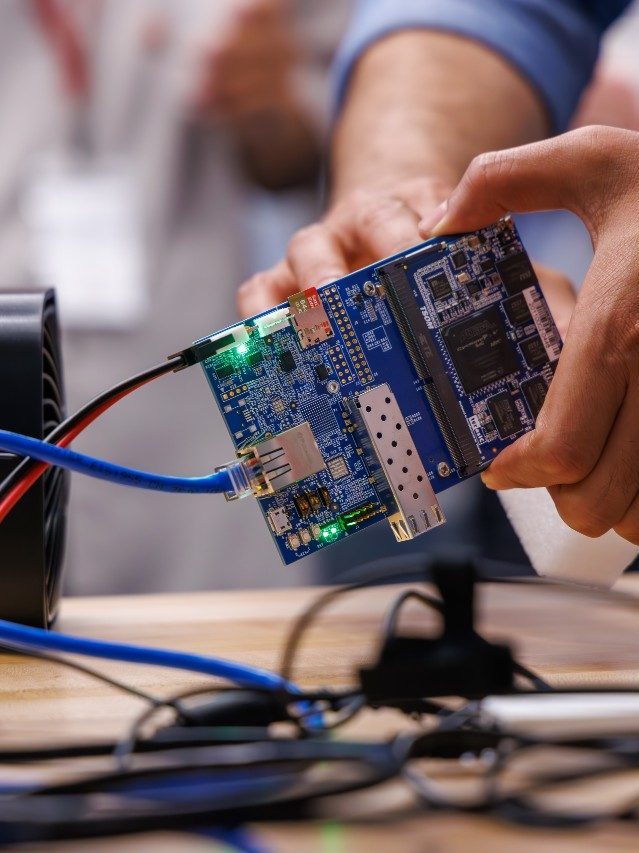
- Describe the basic scientific and engineering principles that underpin semiconductor devices and fabrication.
- Summarize key elements of the semiconductor industry, including global supply chains, workforce roles, and strategic challenges.
- Demonstrate introductory laboratory proficiency, including safety awareness, equipment etiquette, documentation habits, and teamwork supported by supervised laboratory sessions.
- Reflect on and articulate considerations related to access, participation, and collaboration in scientific and engineering environments.
- Demonstrate intercultural competence through meaningful engagement with international peers.
- Connect hands-on and research activities to broaden societal, industrial, and global contexts.
- Communicate their experience and insights through structured written reflection.
These outcomes ensure the certificate represents a consistent and meaningful experience regardless of program duration or specific institutional resources.
Course Offerings
UPWARDS institutions have flexibility in designing their summer programs, enabling them to draw on available facilities, faculty expertise, and thematic strengths. However, each program must incorporate learning experiences that address the six UPWARDS competencies:
Students receive introductory grounding in semiconductor devices, materials, and processing. This may occur through lectures, demonstrations, lab walk-throughs, or guided learning modules.
Students learn about global supply chains, industry structure, workforce needs, and the societal importance of semiconductor technologies. This can be delivered through seminars, industry guest talks, site visits, or discussions of current events and policy considerations.
Students engage in focused discussions relevant to STEM and global teamwork, including inclusive communication practices, navigating multicultural environments, and understanding the experiences and participation patterns across different populations.
This is a signature component of the UPWARDS experience. Programs must include at least one structured international interaction, such as:
- Cross-national team projects,
- Cultural exchange sessions,
- Collaborative lab work with visiting students,
- Joint seminars between U.S. and Japanese institutions,
- Or international program visits.
Each participant must complete at least 10 hours of supervised laboratory activity. Activities should emphasize safety, process understanding, and equipment familiarity – similar in spirit to introductory cleanroom experiences, which rely on demonstrations followed by closely supervised student participation.
Programs must provide at least one structured experience in inquiry-driven learning. This could include analyzing experimental data, discussing research papers, participating in ongoing projects, or conducting simple device fabrication or materials analysis steps under supervision.
Assessment
Certification assessment includes two components, as well as the completion of an assessment form.
Reflective Essays
Participants must submit two short essays (100–500 words each):
- Experience Reflection
A narrative describing the student’s laboratory and program experiences, what they learned, and how the activities influenced their understanding of semiconductors and international collaboration. - Competency Reflection
A structured reflection connecting their experiences to the six UPWARDS competencies. Students should cite specific examples from program activities.
Instructor Sign-off
UW UPWARDS will contact instructors to verify that each student has:
- Completed the minimum 10 hours of supervised lab experience.
- Participated in at least one international engagement activity.
- Completed required instructional modules.
Assessment form
Complete the IEEE UPWARDS Assessment Form linked below.
Resources
- How to get started with IEEE Certificates: PowerPoint Presentation
- How to get started with IEEE Certificate: